

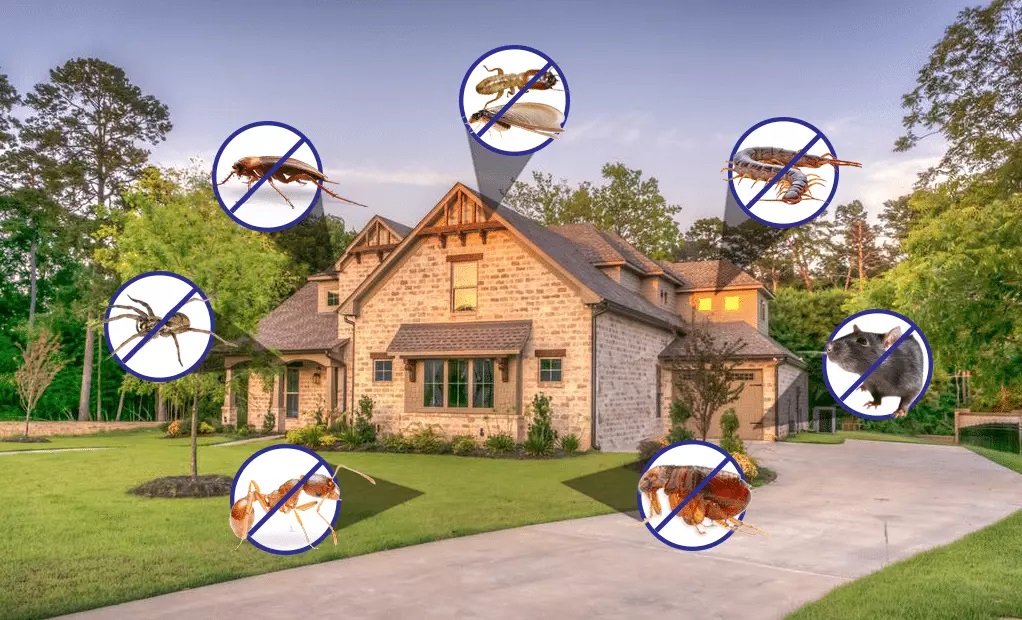
Pest control is a vital practice that protects homes, businesses, and public spaces from unwanted invaders. Pests can disrupt daily life, spread diseases, and cause costly damage if left unmanaged. A structured pest control plan helps maintain hygiene, safety, and long-term comfort in any living or working space.
What Pest Control Really Means
Pest control is the process of preventing, managing, and eliminating pests that threaten health, property, or food supplies. These pests often enter human spaces seeking warmth, food, or shelter.
Modern pest control emphasizes prevention-first strategies, combining monitoring, exclusion, and targeted treatments to reduce reliance on harsh chemicals.
Most Common Pests Affecting Homes and Buildings
Understanding the pest type is key to choosing the right control method.
Common problem pests include:
-
Insects: Cockroaches, ants, termites, mosquitoes
-
Rodents: Rats and mice
-
Wood-destroying pests: Termites, carpenter ants
-
Occasional intruders: Spiders, beetles, centipedes
Each pest presents unique risks, from health hazards to structural damage.
Risks Associated With Pest Infestations
Unchecked pest activity can escalate quickly and create serious issues.
Major risks include:
-
Health concerns: Pests spread bacteria, viruses, and allergens
-
Property damage: Rodents chew wiring and insulation
-
Structural threats: Termites weaken foundations and woodwork
-
Economic loss: Repairs and replacements can be expensive
Early pest intervention significantly lowers these risks.
Different Pest Control Techniques
Effective pest control relies on choosing the right technique for the situation.
Chemical Control Methods
These treatments use approved pesticides to control infestations efficiently. They are commonly applied for severe or widespread pest problems.
Physical and Mechanical Methods
These techniques focus on blocking or removing pests through:
-
Traps and bait stations
-
Screens and door seals
-
Repairing cracks and gaps
Biological Control
This approach uses natural predators or biological agents to suppress pest populations, often used in environmentally sensitive areas.
Integrated Pest Management (IPM)
IPM combines multiple strategies to achieve long-term pest control with minimal environmental impact. It prioritizes monitoring, prevention, and precise treatments.
Preventive Pest Control Measures
Prevention is the most effective way to keep pests from returning.
Helpful preventive actions include:
-
Keeping living areas clean and clutter-free
-
Storing food in sealed containers
-
Fixing leaks and moisture issues
-
Regularly inspecting doors, windows, and foundations
Small habits make a big difference in pest prevention.
DIY Pest Control vs Professional Services
DIY solutions can work for minor pest issues, but professional services are often necessary for persistent infestations.
Professional pest control offers:
-
Accurate pest identification
-
Customized treatment plans
-
Safe application methods
-
Ongoing prevention support
Expert intervention ensures thorough and lasting results.
Environmentally Responsible Pest Control
Eco-friendly pest control focuses on safety and sustainability.
Green pest control options include:
-
Low-toxicity treatments
-
Natural repellents
-
Habitat modification
-
Non-chemical exclusion techniques
These methods protect both people and the environment while remaining effective.
Frequently Asked Questions (FAQs)
1. What attracts pests to a property?
Food sources, moisture, clutter, and easy entry points are the most common attractants.
2. Can pests return after treatment?
Yes, without proper prevention measures, pests can return. Regular maintenance reduces this risk.
3. Is year-round pest control necessary?
In many regions, seasonal treatments help prevent infestations before they begin.
4. How long does pest control treatment take?
Most treatments take between 30 minutes and a few hours, depending on infestation severity.
5. Are eco-friendly pest control methods effective?
Yes, especially when combined with preventive measures and monitoring.
6. Do pest control treatments leave odors?
Modern treatments are designed to be low-odor or odor-free in most cases.
7. How soon can I see results after pest control?
Results may be immediate for some pests, while others require several days for full effectiveness.
