

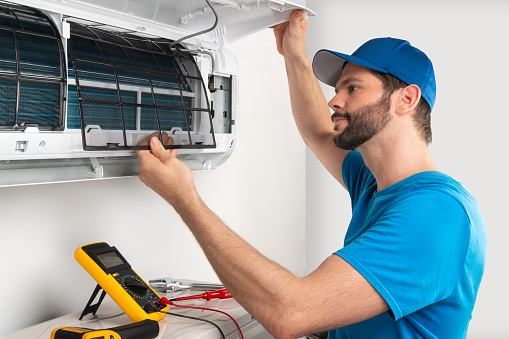
HVAC systems are essential for maintaining year-round comfort, yet many homeowners experience recurring issues that reduce efficiency, increase energy bills, and lead to costly repairs. Most HVAC problems develop gradually and can be prevented with proper care, timely maintenance, and early awareness. Understanding these common issues helps homeowners protect their systems and extend equipment lifespan.
Poor Heating or Cooling Performance
One of the most frequent HVAC complaints is uneven or insufficient heating and cooling. Rooms may feel too hot, too cold, or inconsistent throughout the home.
Common causes include:
-
Dirty air filters restricting airflow
-
Blocked or leaking ductwork
-
Improper thermostat settings
-
Aging HVAC equipment
Prevention tips:
-
Replace air filters every one to three months
-
Schedule annual professional inspections
-
Ensure vents and registers remain unobstructed
Rising Energy Bills Without Explanation
Unexpected increases in utility bills often signal declining HVAC efficiency. Systems may run longer to reach desired temperatures, consuming excess energy.
Possible reasons include:
-
Worn-out components
-
Low refrigerant levels
-
Poor insulation or duct leaks
-
Outdated HVAC systems
Prevention tips:
-
Seal air leaks and improve insulation
-
Upgrade to energy-efficient HVAC equipment
-
Use programmable or smart thermostats
Frequent Cycling or Constant Running
HVAC systems that turn on and off too frequently—or run nonstop—are under strain. This issue not only wastes energy but also shortens system lifespan.
Typical causes include:
-
Oversized or undersized HVAC units
-
Thermostat placement issues
-
Dirty condenser or evaporator coils
Prevention tips:
-
Ensure proper system sizing through professional load calculations
-
Keep outdoor units clean and clear
-
Verify thermostat placement away from heat sources
Unusual Noises During Operation
Strange sounds such as grinding, banging, rattling, or squealing often indicate mechanical issues that should not be ignored.
Potential sources of noise include:
-
Loose components
-
Worn belts or bearings
-
Motor or fan issues
Prevention tips:
-
Address unusual noises promptly
-
Schedule routine maintenance checks
-
Avoid operating the system when loud sounds persist
Poor Indoor Air Quality
HVAC problems can negatively impact indoor air quality, leading to increased dust, allergens, and humidity issues.
Common contributors include:
-
Clogged air filters
-
Mold growth in ducts
-
Poor ventilation
Prevention tips:
-
Use high-quality air filters
-
Maintain proper humidity levels
-
Clean ductwork periodically if needed
HVAC System Not Turning On
A system that fails to start can be alarming, especially during extreme weather conditions.
Common causes include:
-
Electrical or wiring problems
-
Tripped circuit breakers
-
Faulty thermostats
Prevention tips:
-
Check breakers and thermostat settings first
-
Avoid DIY electrical repairs
-
Schedule professional service for persistent issues
Lack of Regular Maintenance
Skipping routine HVAC maintenance is one of the leading causes of premature system failure. Small issues often escalate into major repairs when left unaddressed.
Preventive maintenance benefits include:
-
Improved efficiency and performance
-
Reduced risk of breakdowns
-
Longer equipment lifespan
Frequently Asked Questions
How often should homeowners service their HVAC systems?
Most HVAC systems should be professionally serviced once or twice a year, ideally before heating and cooling seasons.
Can dirty air filters really cause HVAC problems?
Yes, clogged filters restrict airflow, reduce efficiency, and can lead to overheating or system shutdowns.
Is it normal for HVAC systems to make noise?
Some operational sounds are normal, but loud or unusual noises often indicate mechanical problems.
Why does my HVAC system cool some rooms better than others?
Uneven cooling is commonly caused by duct issues, poor airflow, or incorrect system sizing.
Should homeowners repair or replace an old HVAC system?
If a system is over 10–15 years old and requires frequent repairs, replacement may be more cost-effective.
Can HVAC problems affect indoor air quality?
Yes, neglected systems can circulate dust, allergens, and moisture, impacting indoor air health.
What is the easiest way to prevent HVAC breakdowns?
Regular maintenance, timely filter changes, and addressing minor issues early are the most effective prevention methods.
