

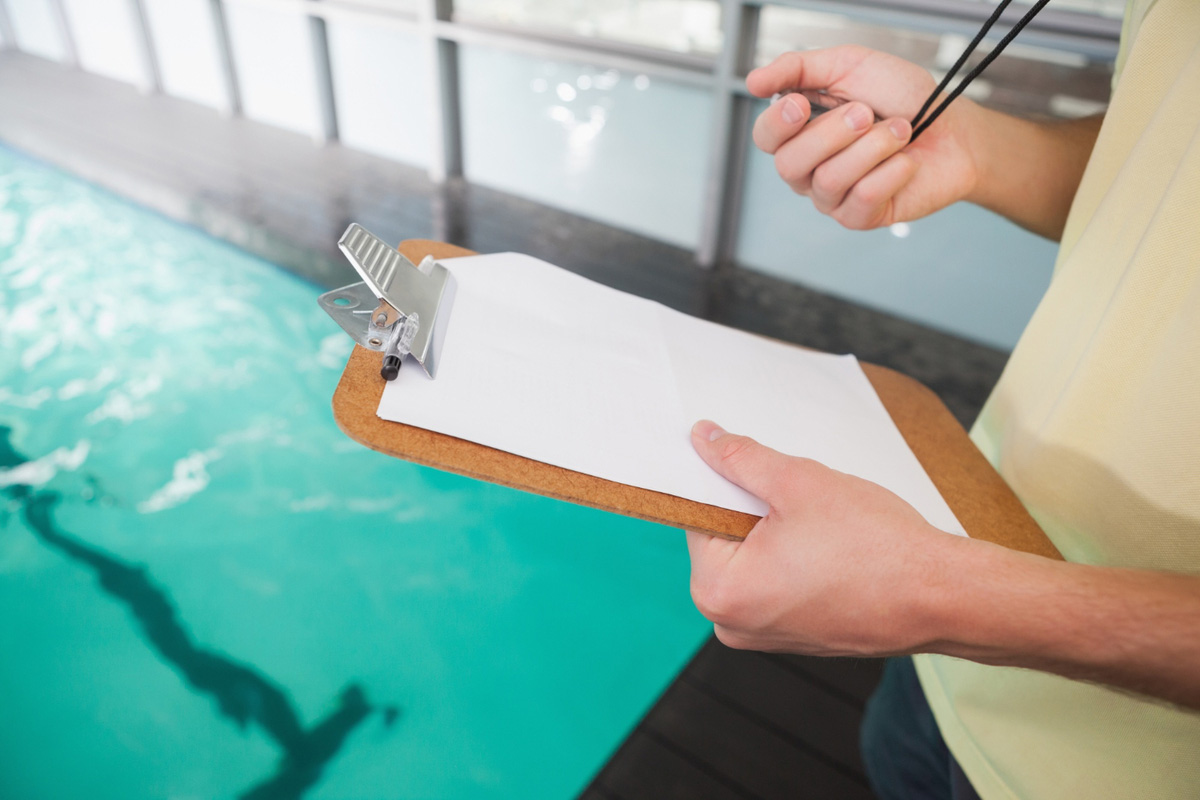
Owning a pool in Australia comes with clear legal responsibilities. Every swimming pool and spa must meet strict safety standards, and a pool inspection in Sydney or anywhere else across the country checks that these rules are being followed. Many owners are surprised to learn their setup falls short, often due to small oversights that build up over time.
Understanding why pools fail helps you prepare properly. Booking a pool inspection in Sydney or your local area gives you a chance to spot problems before they become costly. The good news is that most failures have straightforward fixes. Below are the most common reasons pools do not pass and what you can do about each one.
If you are unsure where your pool stands, arranging a professional pool inspection early can save you time, money, and stress. Inspectors look at fencing, gates, signage, and water safety, so knowing these areas puts you ahead.
Non-Compliant Fencing
Fencing is the most frequent reason pools fail. Barriers must be at least 1.2 metres high, with no gaps larger than 100 millimetres at the base or between vertical bars. Climbable objects near the fence, such as pot plants, chairs, or trees, also cause failures because children can use them to get over.
The fix: Measure your fence height and gap sizes carefully. Remove or relocate anything climbable within 900 millimetres of the barrier. Replace damaged panels and make sure the fence is sturdy and secure.
Faulty Gates
Gates cause many failures. A pool gate must be self-closing and self-latching from any open position. It should never open inwards towards the pool. Over time, hinges wear out and latches stop working, which means the gate no longer shuts on its own.
The fix: Test your gate by opening it fully and letting go. It should close and latch every time without help. Replace worn hinges and springs, and set the latch at least 1.5 metres above the ground so it stays out of a child’s reach.
Inadequate Signage
A current CPR sign must be displayed near the pool area. Older signs, faded text, or missing signs will result in a fail. The sign needs to reflect the latest resuscitation guidelines.
The fix: Check that your CPR sign is up to date and clearly visible. Replace faded or outdated versions. These signs are inexpensive and easy to install on the fence or a nearby wall.
Water Quality Issues
While water quality is more about health than the formal barrier check, murky or poorly maintained water hides hazards and points to neglect. Cloudy water makes it hard to see someone in trouble.
The fix: Test and balance your water regularly. Keep chlorine and pH levels correct, clean filters often, and remove debris. Clear water improves both safety and enjoyment.
Staying Ahead
Regular checks keep your pool compliant and everyone safe. Fix small issues as they appear rather than waiting for an inspection. A little upkeep goes a long way towards passing with ease.
