

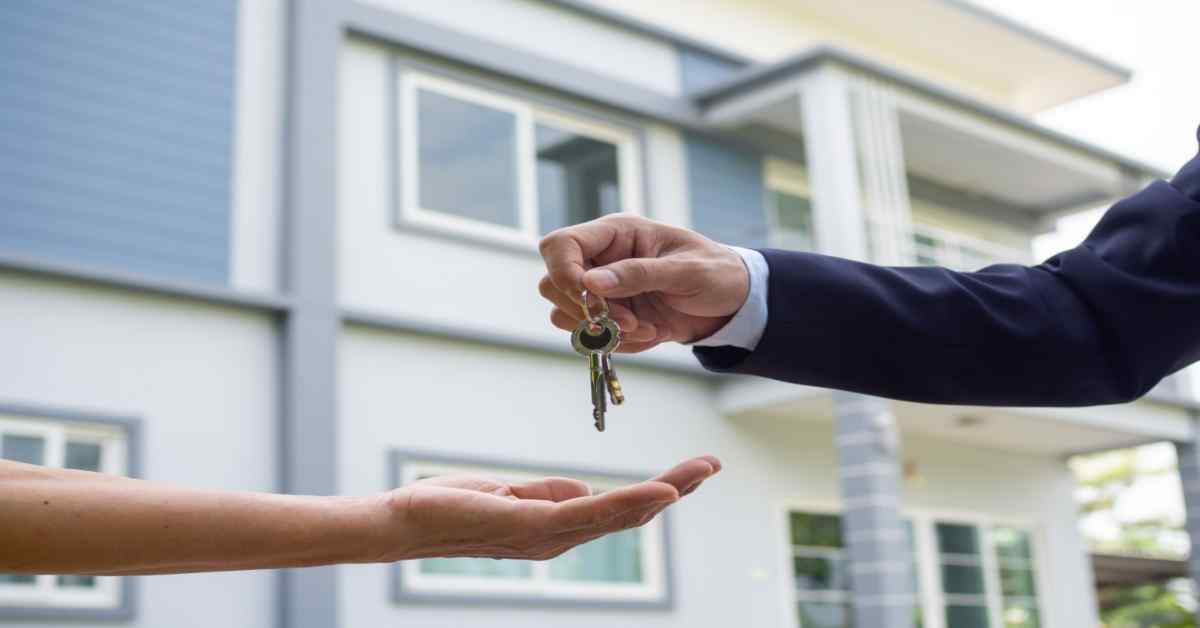
Improving your home is a multifaceted process that involves both practical enhancements and strategic decisions. Whether you are preparing to sell, hoping to increase your home’s value for future resale, or simply looking to align your property with market trends, understanding the connection between home improvements and the real estate market is essential. A well-informed approach to home upgrades can not only elevate your living space but also position your property advantageously in a competitive market. By blending smart renovation choices with market insights, homeowners can achieve the best possible outcome when it comes to both enjoyment and return on investment.
1. Understanding the Market: Timing and Trends Matter
Before diving into home improvements, it’s crucial to understand the dynamics of the current real estate market. Every area has its own set of trends, and these can shift over time depending on economic conditions, buyer demand, and even seasonal fluctuations. By keeping a pulse on the local housing market, you can make smarter decisions about what improvements will provide the highest return on investment and at what time.
The first step in this process is to perform a thorough market analysis of your neighborhood. Look at comparable homes (known as “comps”) in your area to get a sense of what properties are selling for and what features they offer. Are buyers prioritizing modern kitchens, spacious bathrooms, or energy-efficient upgrades? If so, investing in these areas could make your property more appealing to potential buyers. If you’re planning to sell, understanding which features are in demand and which are not can help you avoid spending money on unnecessary upgrades.
Market conditions also play a pivotal role in timing your home improvements. For instance, the spring and summer months generally see an increase in buyer activity, making these ideal times for listing a home. If you’re looking to sell soon, it’s important to complete any renovations or repairs before this peak season to take full advantage of higher demand.
2. Focus on High-Impact Renovations with Strong ROI
When deciding which areas of your home to improve, it’s important to focus on renovations that will yield the highest return on investment (ROI). Not every upgrade will add equal value to your property, and some may even hurt your chances of a sale if they’re not in line with current market preferences. So, which improvements should you prioritize?
Kitchen Remodels: The kitchen is often considered the heart of the home, and for good reason. It’s one of the most important spaces for potential buyers, and a kitchen remodel can have a significant impact on your home’s value. You don’t need to embark on a full-scale renovation to see results. Simple upgrades, such as new countertops, modern appliances, updated cabinetry, or fresh backsplash tiles, can breathe new life into an outdated kitchen. Even minor changes can make your home more appealing to buyers, particularly if you’re targeting first-time homebuyers or families.
Bathroom Renovations: Like the kitchen, bathrooms are high-priority spaces for buyers. A modest bathroom remodel can make your home stand out in a crowded market. Consider replacing old fixtures, installing energy-efficient lighting, adding fresh paint, and upgrading tile work. A deep clean and some modern touches can often be enough to transform a bathroom and make it feel more inviting.
Curb Appeal: First impressions matter, and the exterior of your home is the first thing potential buyers will see. Improving curb appeal doesn’t always require a full exterior overhaul; sometimes simple fixes, such as painting the front door, planting flowers, and ensuring your lawn is well-manicured, can make a big difference. A fresh coat of paint on your home’s exterior can also enhance its overall look and protect it from the elements, offering both aesthetic and practical benefits.
Energy-Efficiency Upgrades: In an increasingly eco-conscious world, energy-efficient upgrades are highly valued by today’s buyers. Installing energy-efficient windows, adding insulation, or upgrading to Energy Star-rated appliances can not only reduce your home’s environmental footprint but also lower its long-term utility costs. These features appeal to buyers who are looking for homes that will save them money and contribute to a greener lifestyle.
3. The Role of Home Staging: Making Your Property Irresistible
Once you’ve completed the necessary improvements, staging your home for sale can further elevate its appeal. Home staging involves arranging furniture, décor, and accessories in a way that showcases the home’s best features and helps potential buyers envision themselves living there. A well-staged home can make a significant difference in how quickly it sells and for how much.
Real estate agents often work with professional stagers to create inviting, attractive spaces. Staging doesn’t necessarily mean transforming the entire home; even small changes like decluttering, adding fresh flowers, and rearranging furniture can have a major impact. The goal is to create an environment where buyers can easily imagine their own lives in the space, whether it’s a family cooking in the kitchen or relaxing in the living room.
Staging your home can also help highlight the value of recent renovations. For example, if you’ve recently renovated your kitchen, staging can draw attention to the sleek new appliances and stylish finishes. If you’ve added a home office or a gym, showcasing these spaces through staging can demonstrate how they add value and functionality to the home.
4. Real Estate Agents: Your Key to Maximizing Sale Potential
When it comes to selling your home, one of the most valuable resources at your disposal is a skilled real estate agent. These professionals are adept at guiding homeowners through the complexities of the market and ensuring that their properties stand out from the competition.
An experienced agent can help you assess the market value of your home based on current trends and comparable sales in your neighborhood. This ensures that you set a realistic asking price that will attract potential buyers while also maximizing your return on investment. Additionally, agents have access to a wide network of buyers, other agents, and resources that can help market your property effectively. They can provide expert advice on which improvements are worth pursuing, help you avoid overpricing or underpricing your property, and offer insights into the best time to list.
Furthermore, agents can assist with negotiations and paperwork, ensuring that the selling process goes smoothly from start to finish. Their expertise allows you to focus on enjoying your home while they handle the logistical and legal aspects of the sale.
5. Consider Future Trends: Preparing for Long-Term Value
Even if you’re not planning to sell immediately, it’s wise to consider future market trends when improving your home. While certain upgrades may add immediate value, other improvements, such as adding extra square footage or investing in smart home technology, can position your home well for the future. Buyers are increasingly looking for homes that offer convenience, efficiency, and long-term value, so making forward-thinking upgrades can pay off in the years to come.
Investing in the latest home automation technology—such as smart thermostats, security systems, and lighting controls—can make your home more attractive to tech-savvy buyers. Similarly, if you’re considering expanding your home, adding a home office or extra living space can appeal to a broader range of buyers, particularly in a market that places increasing importance on flexible living arrangements.
Conclusion
Improving your home with an eye on the market and selling potential requires a blend of strategic renovations and timing. By understanding market trends, focusing on high-ROI renovations, staging effectively, and utilizing the expertise of real estate agents, homeowners can position their properties for success in an increasingly competitive market. Whether you’re looking to sell soon or planning for the future, these steps will help you maximize your home’s value, making it an attractive, sought-after property for potential buyers.
